

Key takeaways
- Understand which employers and UAE national employees fall under GPSSA.
- Learn how to register eligible employees through the Ma'ashi platform.
- Understand the differences between Federal Law No. 7 of 1999 and Federal Decree-Law No. 57 of 2023.
- Review applicable employee, employer and government contribution rates.
- Understand monthly contribution processing and payment deadlines.
- Identify common GPSSA compliance mistakes and ways to reduce payroll risks.
- Learn how HLB HAMT supports employers with GPSSA administration and payroll compliance.
Introduction
GPSSA compliance is an important responsibility for UAE employers hiring eligible Emirati employees. Employers must understand the applicable pension legislation, register eligible employees, calculate contributions correctly and ensure payments are made within the required deadlines.
The General Pension and Social Security Authority (GPSSA) administers pension and social security benefits for eligible UAE nationals working in the sectors and emirates covered by its legislation.

This guide explains GPSSA eligibility, employer registration, contribution rates, monthly processing requirements and common compliance considerations for businesses operating in the UAE.
What Is GPSSA?
The General Pension and Social Security Authority (GPSSA) is the UAE federal authority responsible for administering pension and social security benefits for eligible UAE nationals covered by its pension legislation. These benefits include protection relating to:
Retirement and old-age pensions
Disability
Death and eligible survivor benefits
GPSSA operates under the applicable federal pension legislation, including Federal Law No. 7 of 1999 and Federal Decree-Law No. 57 of 2023.
Which Employees Are Covered by GPSSA?
GPSSA coverage depends on the employee's nationality, employment sector, location and applicable pension legislation.
- Dubai
- Sharjah
- Ajman
- Ras Al Khaimah
- Fujairah
- Umm Al Quwain
In general:
- Eligible private-sector UAE nationals in Dubai, Sharjah, Ajman, Ras Al Khaimah, Fujairah and Umm Al Quwain fall under GPSSA.
- Eligible federal government employees and employees of covered local government entities also fall under the applicable GPSSA arrangements.
- UAE nationals employed in Abu Dhabi are generally covered by the Abu Dhabi Pension Fund (ADPF).
- Government employees in Sharjah are generally covered by the Sharjah Social Security Fund.
Which companies must register with GPSSA?
Any company employing UAE nationals must register with GPSSA. If there are no UAE nationals in a company’s workforce, registration is not required.
GPSSA Registration for UAE National Employees
Employers hiring eligible UAE national employees must register them with GPSSA through the official Ma'ashi digital platform.
The employer must submit the registration request within one month (30 days) of the employee's joining date.
Who Is Eligible for GPSSA Registration?
An employee generally needs to meet the following conditions:
Be a UAE national.
Be between 18 and 60 years of age.
Be medically fit for work at the time of appointment, supported by the required medical certificate.
Work for an employer covered by the applicable GPSSA legislation.
Meet the relevant registration and documentation requirements.
How Does GPSSA Registration Work?
Employers can complete the registration process through the Ma'ashi platform.
Register and log in to the Ma'ashi platform using UAE Pass.
Select the employee registration service.
Enter the required employee and employment details.
Upload the necessary supporting documents.
Submit the application for review and approval.
Monitor the application status through the platform.
Employee Deregistration
When an insured employee leaves the organisation, the employer must notify GPSSA and complete the required deregistration process within the applicable statutory deadline.
The reporting deadline can depend on the pension legislation applicable to the employee. Employers should verify the relevant requirement through GPSSA rather than assuming that the registration and exit deadlines are identical.
New Employee Registrations
(On Hiring)
Employee deregistration
(On Exit)
Monthly Contribution Processing
AED 22,140
HLB HAMT provides both company and employee registration services in the UAE.
GPSSA Contribution Rates: Old Law vs New Law
GPSSA contribution rates depend on the pension legislation applicable to the employee.
The two main federal laws are:
Federal Law No. 7 of 1999
generally applicable to employees already insured under the previous pension system.
Federal Decree-Law No. 57 of 2023
generally applicable to eligible Emiratis employed for the first time from 31 October 2023.
An employee already covered under the 1999 law does not automatically move to the new law simply because they change employers after 31 October 2023. The applicable pension law must be identified based on the employee's insurance history and GPSSA rules.
Contribution Rates at a Glance
Federal Law No. 7 of 1999
Federal Decree-Law No. 57 of 2023
– eligible private-sector salary below AED 20,000
Federal Decree-Law No. 57 of 2023
– eligible private-sector salary AED 20,000 or above
Applicable law
Federal Law No. 7 of 1999
- Employee
- 5%
- Employer
- 12.5%
- Government support
- 2.5%
- Total
- 20%
Applicable law
Federal Decree-Law No. 57 of 2023
– eligible private-sector salary below AED 20,000
- Employee
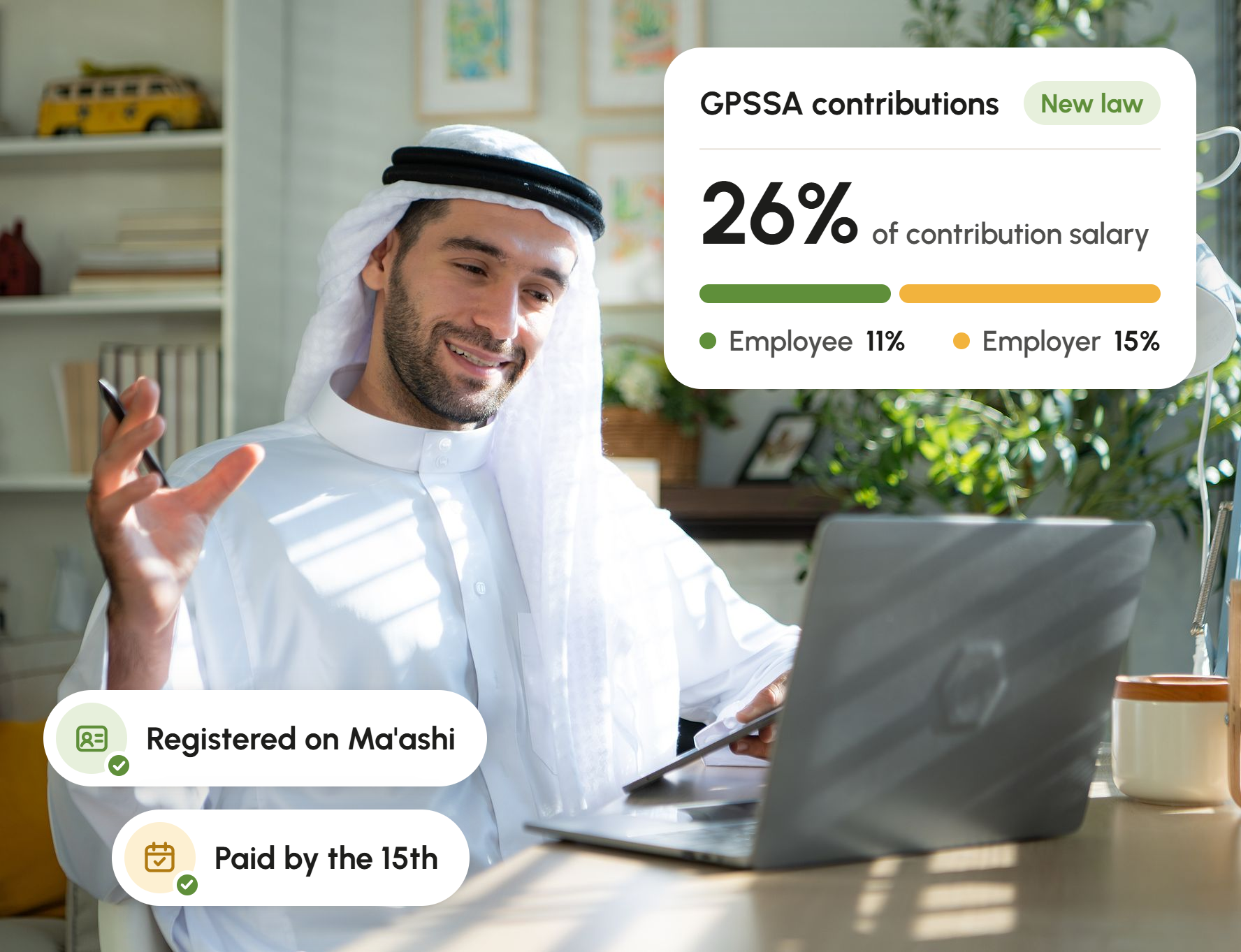
- 11%
- Employer
- 12.5%
- Government support
- 2.5%
- Total
- 26%
Applicable law
Federal Decree-Law No. 57 of 2023
– eligible private-sector salary AED 20,000 or above
- Employee
- 11%
- Employer
- 15%
- Government support
- Not applicable
- Total
- 26%
Contribution salary ceilings:
- Previous law: generally AED 50,000 for private-sector employees.
- New law: generally AED 70,000 for private-sector employees.
The applicable rate and contribution salary must be confirmed for each employee based on their pension record and the relevant GPSSA rules.
What Are an Employer's Obligations Under GPSSA?
Employers are responsible for ensuring that eligible UAE national employees are correctly registered and that pension contributions are processed in accordance with the applicable legislation.
Key employer responsibilities include:
- 01
Registering eligible UAE national employees with GPSSA.
- 02
Providing accurate employee and employment information.
- 03
Identifying the correct pension law applicable to each employee.
- 04
Calculating employee and employer contributions correctly.
- 05
Deducting the employee's applicable contribution through payroll.
- 06
Generating and reviewing monthly contribution invoices.
- 07
Paying contributions within the required deadline.
- 08
Maintaining accurate payroll and pension records.
- 09
Reporting employee exits and completing deregistration requirements on time.
How Does the Monthly GPSSA Process Work?
Employers must calculate and process pension contributions every month for eligible insured employees.
The process generally involves the following steps:
Calculate the Contribution
Determine the employee's Contribution Account Salary and apply the correct contribution rates under the applicable pension law.
Deduct the Employee's Share
Calculate and deduct the employee's applicable contribution through the monthly payroll.
Add the Employer's Share
Calculate the employer's contribution and account for any applicable government support.
Generate the GPSSA Invoice
Review and generate the monthly contribution invoice through the Ma'ashi platform.
Complete the Payment
Pay the contribution amount through the approved payment channel against the generated invoice.
When Are GPSSA Contributions Due?
Monthly contributions must be paid no later than the 15th day of the following month.
Example: Contributions relating to January must be paid by 15 February.
Late payment may result in additional amounts being imposed by GPSSA.
0.1%
Late payment penalty
daily penalty applied to overdue GPSSA contributions
How Is the GPSSA Contribution Salary Calculated?
GPSSA contributions are calculated using the employee's Contribution Account Salary, not simply the employee's take-home salary.
The salary components included in the calculation depend on the applicable pension law and the employee's employment sector.
For private-sector employees, the relevant components may include basic salary and eligible contractual benefits and allowances as defined by the applicable pension legislation.
The applicable minimum and maximum contribution salary limits must also be considered.
GPSSA Payment Deadlines and Compliance Risks
Employers should maintain a consistent monthly process to ensure that registration, salary information, contribution calculations and payments are accurate.
Common GPSSA Compliance Mistakes to Avoid
Missing the employee registration deadline.
Applying the wrong pension law to an employee.
Using an incorrect Contribution Account Salary.
Applying incorrect employee or employer contribution rates.
Failing to update employee salary and employment records.
Delaying monthly contribution payments.
Failing to report employee exits within the applicable deadline.
Maintaining incomplete contribution and payment records.
Mishandling unpaid leave contributions
Using incorrect payment methods
Late Payment and Penalties
GPSSA may impose additional amounts or penalties for delayed contributions, missed registration requirements and other non-compliance.
The applicable amount depends on the nature of the violation and the governing legislation.
Employers should refer to the latest GPSSA rules and official notices before calculating or communicating a specific penalty amount.
How HLB HAMT Supports Employers with GPSSA Compliance
Managing pension registration, monthly contributions and employee records requires accurate payroll information and consistent administration.
HLB HAMT supports businesses with GPSSA-related payroll administration and compliance activities, helping employers manage their responsibilities more efficiently.
HLB HAMT compliance approach
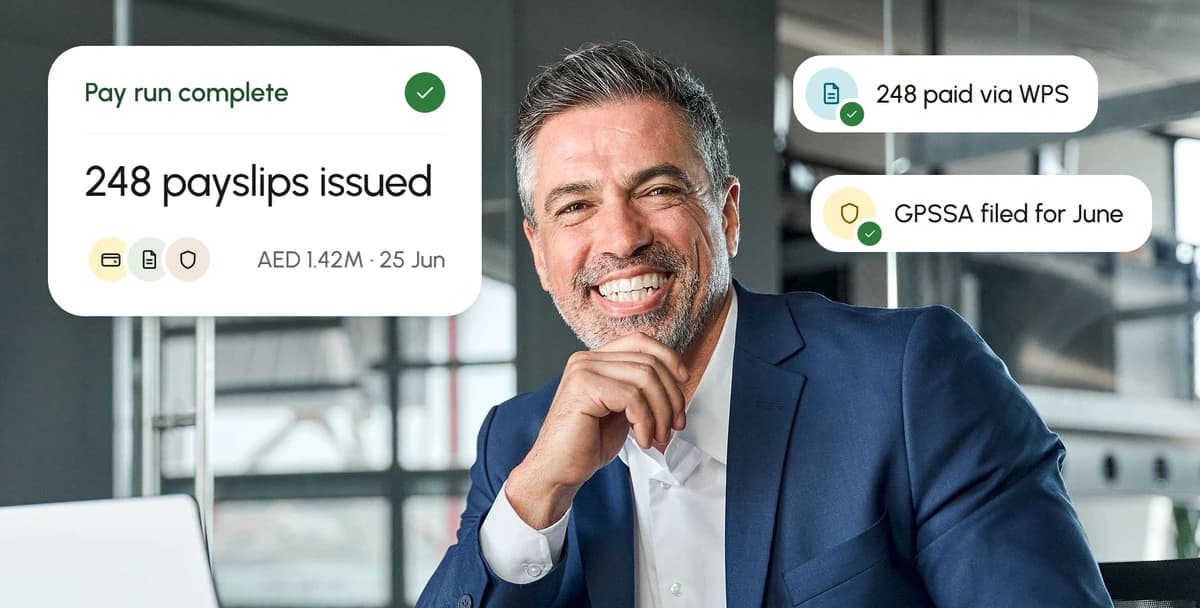
HLB performs a monthly compliance check to ensure UAE national employees are added to the GPSSA portal, contributions are calculated, invoices generated and processed, and deregistrations completed.

Company and Employee Registration
Support with the company and eligible employee registration process through the relevant GPSSA platform.
Monthly Contribution Processing
Assistance with monthly contribution calculations, employee deductions, employer contributions and invoice processing.
Employee Updates and Deregistration
Support with maintaining employee records and processing relevant changes when employees join or leave the organisation.
Contribution Reports and Reconciliation
Detailed contribution reports and monthly summaries to help employers review payroll calculations and reconcile contribution invoices.
Payroll and Accounting Integration
Support with payroll and accounting outputs aligned with client financial systems, subject to the agreed service scope and technical requirements.
Ranked 8th globally, HLB International upholds the highest standards in professional services, ensuring trusted, innovative, and strategic support. Partner with HLB and unlock the strength of a global network designed to help your business succeed — wherever opportunity takes you.
What Is the Difference Between GPSSA and ADPF?
GPSSA and the Abu Dhabi Pension Fund (ADPF) administer pension arrangements for eligible UAE nationals under different applicable legislation and administrative systems.
Employers must identify the relevant pension authority based on the employee's employment location, sector and applicable pension arrangements.
Area
GPSSA
Abu Dhabi Pension Fund (ADPF)
- Main coverage
- Eligible employees in emirates and sectors covered by GPSSA
- Eligible UAE nationals employed in Abu Dhabi
- Legislation
- Applicable federal pension laws
- Applicable Abu Dhabi pension legislation
- Registration
- Ma'ashi platform
- ADPF's relevant registration platform
- Administration
- GPSSA
- ADPF
- Employer responsibility
- Registration, contribution processing and reporting under applicable GPSSA rules
- Registration, contribution processing and reporting under applicable ADPF rules
Final Thoughts on GPSSA Compliance in the UAE
GPSSA compliance is an important part of managing payroll for businesses employing eligible UAE nationals.
Employers must identify the correct pension legislation, complete employee registration on time, calculate contributions accurately and ensure monthly payments are made within the required deadlines.
Maintaining accurate employee records and conducting regular payroll reviews can help businesses reduce administrative errors and avoid unnecessary compliance risks.
For organisations managing multiple employees or complex payroll requirements, professional payroll support can help streamline GPSSA administration and improve reporting accuracy.
UAE Payroll Processing & Compliance
HLB HAMT Payroll Outsourcing Services
HLB HAMT Advantages
Why Choose HLB HAMT for Payroll Outsourcing?
Faster Payroll Setup
Structured payroll onboarding and implementation support based on your organisation's requirements.
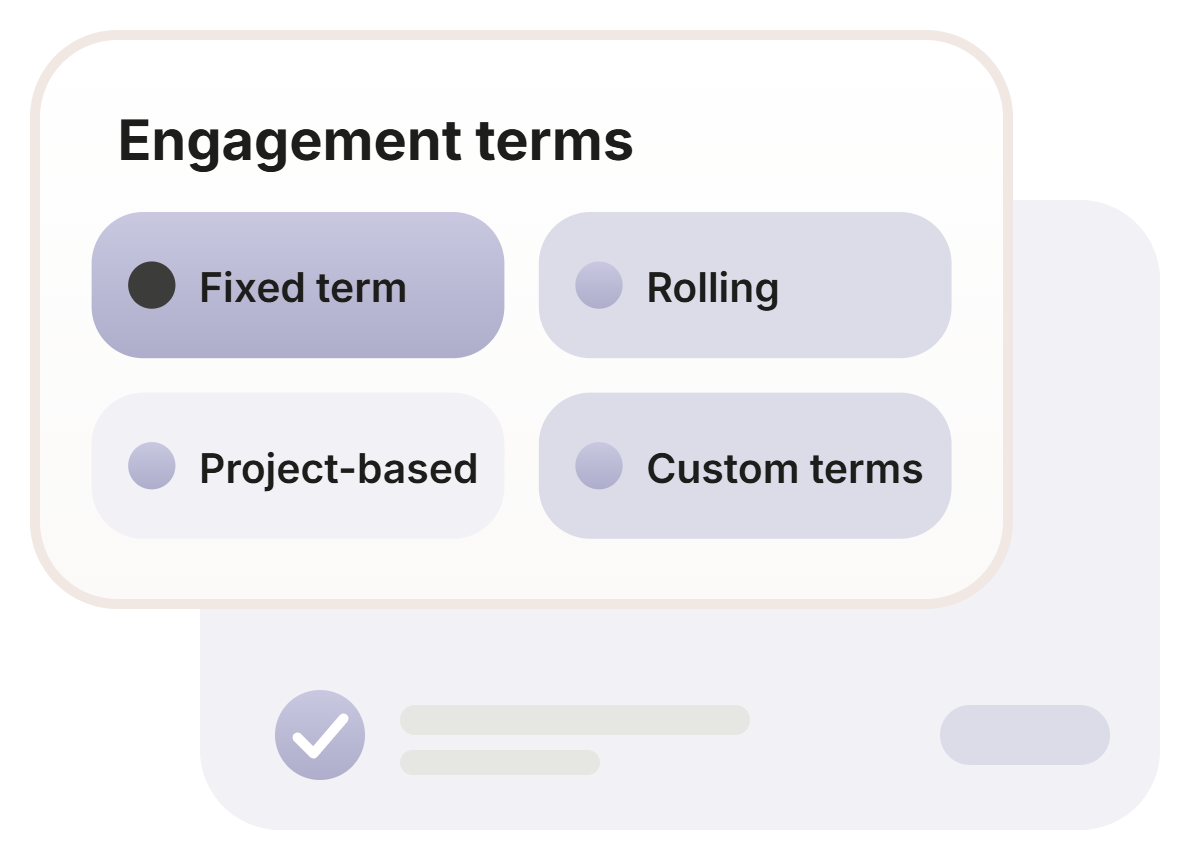
Flexible Engagement
Payroll support aligned with your business size, operational requirements and agreed service scope.
Scalable Payroll Support
Payroll solutions designed to support businesses as their workforce and operational needs grow.
HRMS Integration
Support for payroll data exchange with relevant HR and accounting systems, subject to technical compatibility and agreed scope.
Audit-Ready Reporting
Structured payroll reports, contribution summaries and supporting records to assist with internal reviews and compliance checks.
Data Security
Secure handling of payroll and employee information in line with applicable data protection requirements and HLB's verified certifications.
Frequently Asked Questions
- foreign employees are generally not GPSSA-insured;
- UAE nationals in Abu Dhabi are generally subject to ADPF;
- certain government employees in Sharjah may fall under the Sharjah Social Security Fund;
- GCC nationals may be subject to the GCC insurance protection extension system;
- special categories may be governed by specific legislation.
Federal Law No. 7 of 1999
- Applicable to UAE nationals employed before October 2023
- Maximum salary cap: AED 50,000
- Total contribution: 20%
- Employee Contribution: 5%
- Company Contribution: 12.5%
- Government Contribution: 2.5%
Federal Law No. 57 of 2023
- Applicable to UAE nationals joining from October 2023
- Maximum salary cap: AED 70,000
- Total contribution: 26%
If salary is below AED 20,000:
- Employee Contribution: 11%
- Company Contribution: 12.5%
- Government Contribution: 2.5%
If salary exceeds AED 20,000:
- Employee Contribution: 11%
- Company Contribution: 15%
- 1.Deduct the employee’s share through payroll
- 2.Add the employer contribution
- 3.Generate GPSSA invoice through the portal
- 4.Pay the total amount via UAE Funds Transfer System (UAEFTS) against the invoice generated through portal
- Register UAE national with GPSSA
- Calculating contributions accurately
- Deducting employee contributions
- Approve proforma and Generate invoice
- Paying total contributions on time
- Maintaining compliance records
- Deregistering employees upon exit
Please see the below table for more details
| comparison | Old Law – Federal Law No. 7 of 1999 | New Law – Federal Law No. 57 of 2023 |
|---|---|---|
| Applicable legislation | Federal Law No. 7 of 1999 regarding Pension and Social Security, as amended | Federal Law No. 57 of 2023 regarding Pension and Social Security |
| Who is covered? | Generally applies to Emiratis who were already employed and insured before 31 October 2023, subject to the applicable conditions | Generally applies to Emiratis employed for the first time from 31 October 2023 by entities covered under the new law |
| Total contribution rate | 20% of the Contribution Account Salary | 26% of the Contribution Account Salary |
| Employee contribution | 5% | 11% |
| Government support – private sector | Government bears 2.5% of the employer’s 15% share for eligible private-sector Emirati employees | Government bears 2.5% of the employer’s 15% share for eligible private-sector Emirati employees whose Contribution Account Salary is below AED 20,000 |
| Private-sector contribution salary ceiling | Generally AED 50,000 | Increased to AED 70,000 |
| Employee joining a new employer | An employee already covered by the 1999 law generally remains subject to the 1999 law even when changing employers, subject to the applicable rules | New law does not automatically apply simply because an existing 1999-law insured employee changes employers |
| Key employer consideration | Correctly identify employees who remain under the 1999 law | Correctly identify new employees who fall under the 2023 law and apply the correct contribution rate and salary ceiling |
Key Reports Include:
- Detailed Contribution Reports Clear breakdown of:
- Employer contribution
- Employee contribution
- Total GPSSA contribution
- Monthly GPSSA Summary Reports and Reconciliation with GPSSA invoice Consolidated view of contributions for easy review and reconciliation of the payroll records with GPSSA records and invoice monthly
Reduce penalty exposure
Ensure payroll compliance
Improve audit readiness
Support Emiratisation programmes
Reduce HR administration burden
About the Author

CMA Muhammed Naseer
Associate Director – Payroll · HLB HAMT
Cost and Management Accountant (CMA), ICMAI · 16+ years in finance, payroll and HR compliance
Naseer is a qualified Cost and Management Accountant (CMA) from the Institute of Cost and Management Accountants of India (ICMAI) and a seasoned payroll specialist with over 16 years of professional experience in Finance, Payroll Processes, and HR Compliance.
As an Associate Director of Payroll at HLB HAMT, he works closely with a diverse portfolio of multinational and regional clients, developing strong and long-standing relationships through consistent service excellence and a deep understanding of organizational needs. He currently oversees comprehensive payroll operations for companies across the GCC, ensuring accuracy, statutory compliance, and robust process optimization.