

Key takeaways
- Understand the essential requirements for running compliant payroll in the UAE.
- Learn how the Wage Protection System (WPS) supports timely salary payments.
- Understand GPSSA and ADPF registration and contribution responsibilities.
- Learn how to calculate end-of-service gratuity and manage employee leave entitlements.
- Understand overtime calculations, payroll deductions and employee benefits.
- Discover how payroll accounting and management reporting support financial accuracy.
- Explore how HLB HAMT supports businesses through payroll processing and outsourcing services.
Introduction
Payroll management in the UAE involves more than calculating salaries and transferring payments. Employers must also manage statutory deductions, social security contributions, employee entitlements, payroll records and applicable regulatory requirements.
For HR teams, finance departments and business owners, accurate payroll processing is essential to maintaining compliance, managing workforce costs and ensuring employees are paid correctly and on time.

This UAE Payroll Processing and Compliance Guide for 2026 explains the key payroll requirements businesses should understand, including WPS, GPSSA, ADPF, end-of-service gratuity, statutory leave, overtime and payroll accounting.
Whether your organisation manages payroll internally or works with an external provider, understanding these requirements can help reduce administrative errors and improve payroll control.
Social Security Contributions: GPSSA and ADPF
Understanding UAE Pension and Social Security Contributions
Employers hiring eligible UAE nationals must understand the applicable pension and social security registration and contribution requirements.
The relevant pension authority and contribution rules depend on the employee's circumstances, employment location and applicable pension legislation.
The two important authorities covered in this section are:
- General Pension and Social Security Authority (GPSSA)
- Abu Dhabi Pension Fund (ADPF)

Category · Payroll, HR & Employment· 2026
How GPSSA Contributions Are Calculated in the UAE?
The General Pension and Social Security Authority (GPSSA) governs pension and social security contributions for UAE nationals employed in Dubai, Sharjah, Ajman, Ras Al Khaimah, Fujairah, and Umm Al Quwain.
Employers are required to register UAE national employees with GPSSA within 30 Days of the employee’s date of joining. Failure to meet registration and monthly contribution obligations may result in penalties and compliance risks for the organization.
Category · GPSSA
What Is the GPSSA Contribution Rate in the UAE?
Contribution rates depend on the pension law applicable to the employee. More
Social security contribution
- GPSSA
- Employer Obligations Under GPSSA
- How HLB HAMT Supports GPSSA Compliance
- Abu Dhabi Pension Fund (ADPF)
GPSSA Contributions in the UAE
The General Pension and Social Security Authority (GPSSA) administers pension and social security contributions for eligible UAE nationals working in the UAE, subject to the applicable pension legislation.
Employers must register eligible employees, calculate the correct contributions, deduct the employee's share and remit the required amounts within the prescribed timelines.
This applies to eligible UAE national employees working in the UAE who are registered with GPSSA, including relevant private-sector employees. Employees covered by the Abu Dhabi pension framework follow ADPF instead, and the applicable law depends on the employee's pension registration and eligibility.
What Is the GPSSA Contribution Rate in the UAE?
Contribution rates at a glance
- Employee
- Employer
- Government
- 20%
Old Law
Federal Law No. 7 of 1999
- Employee
- 5%
- Employer
- 12.5%
- Government
- 2.5%
- 26%
New Law · < AED 20K
Federal Decree-Law No. 57 of 2023 · Contribution account salary: AED 3,000 to AED 70,000
- Employee
- 11%
- Employer
- 12.5%
- Government
- 2.5%
- 26%
New Law · ≥ AED 20K
Federal Decree-Law No. 57 of 2023 · Contribution account salary: AED 3,000 to AED 70,000
- Employee
- 11%
- Employer
- 15%
Contribution rates depend on the pension law applicable to the employee.
Federal Law No. 7 of 1999 – Old Law
For employees covered by the previous pension framework, the standard contribution structure is:
- Applicable to UAE nationals employed before 31st October 2023
- Employee contribution: 5%
- Employer contribution: 12.5%
- Government contribution: 2.5%
- Total contribution: 20%
Federal Decree-Law No. 57 of 2023 – New Law
For employees covered by the new pension framework, the standard contribution structure is:
- Applicable to UAE nationals joining from 31st October 2023
- Employee contribution: 11%
- Employer contribution: 15%
- Total contribution: 26%
The applicable contribution salary ceiling and eligibility conditions must be checked against the previous law.
For eligible private-sector employers, the UAE Government supports 2.5% of the employer's contribution for insured employees whose contribution account salary is below AED 20,000.
The contribution-account salary for relevant private-sector employees is subject to the applicable minimum and maximum limits, currently AED 6,000 and AED 70,000 respectively.
Employer Obligations Under GPSSA
Employers must:
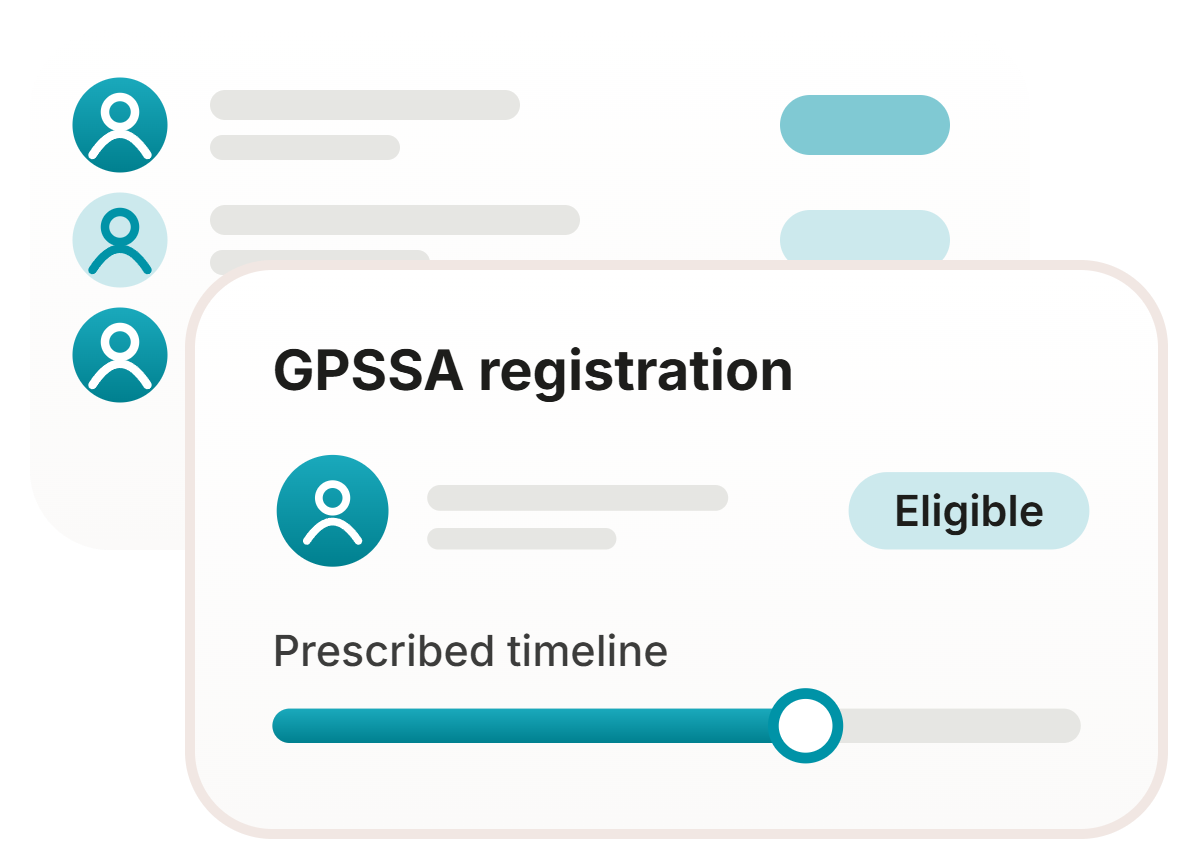
Register eligible UAE national employees with GPSSA within the prescribed timeline.
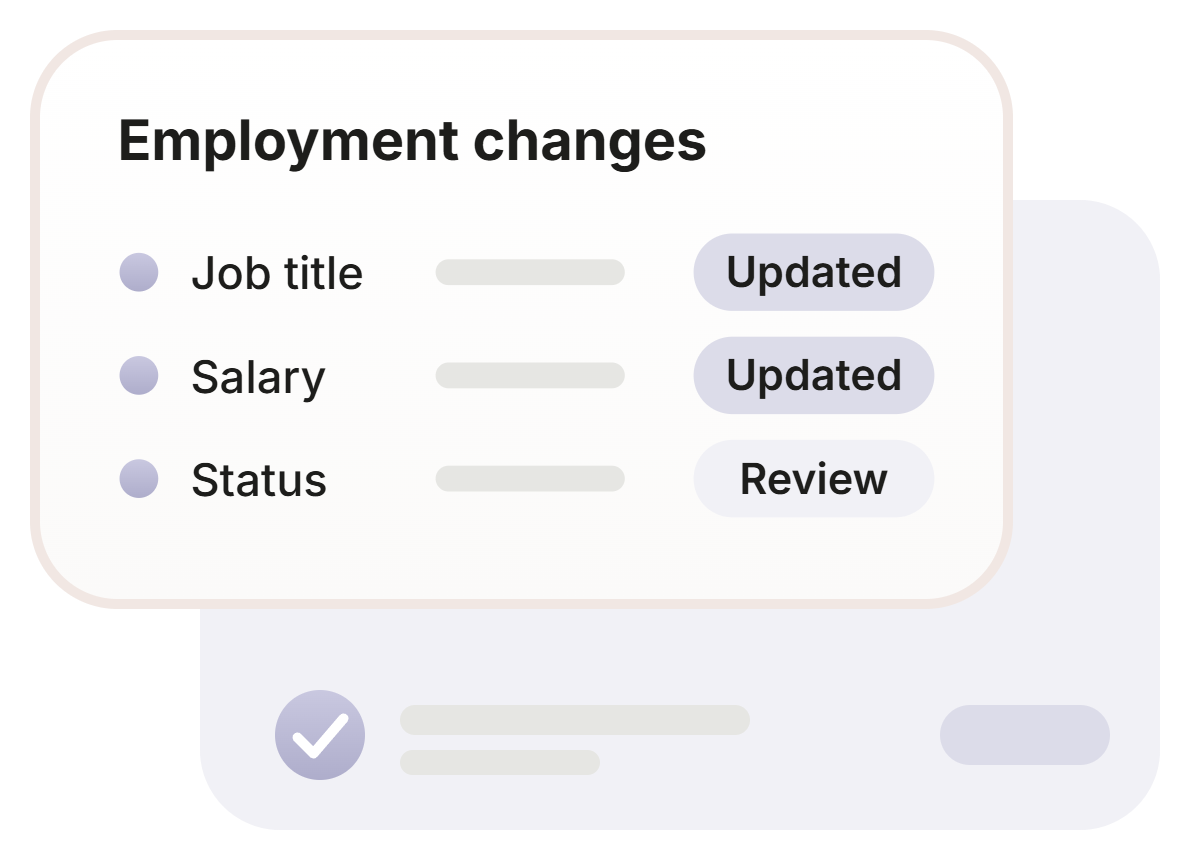
Update employee information and employment changes.
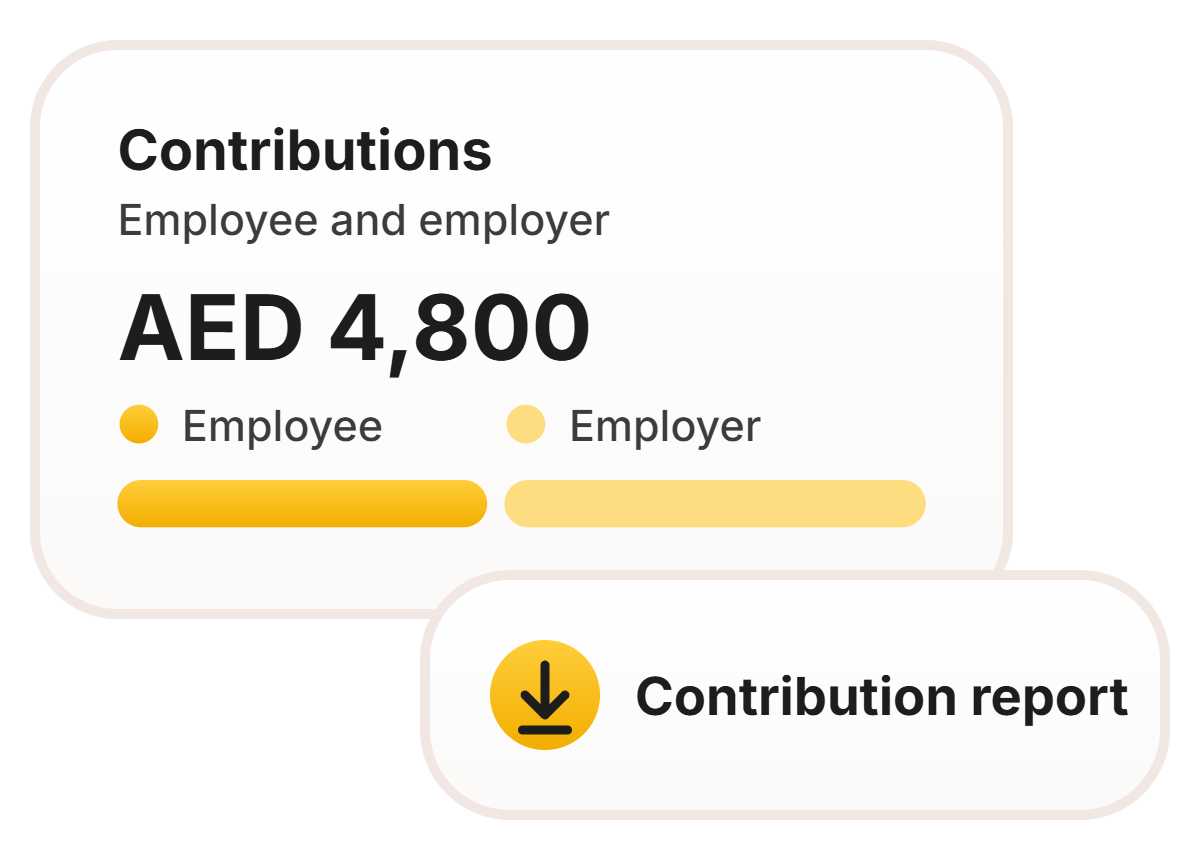
Calculate employee and employer contributions accurately.
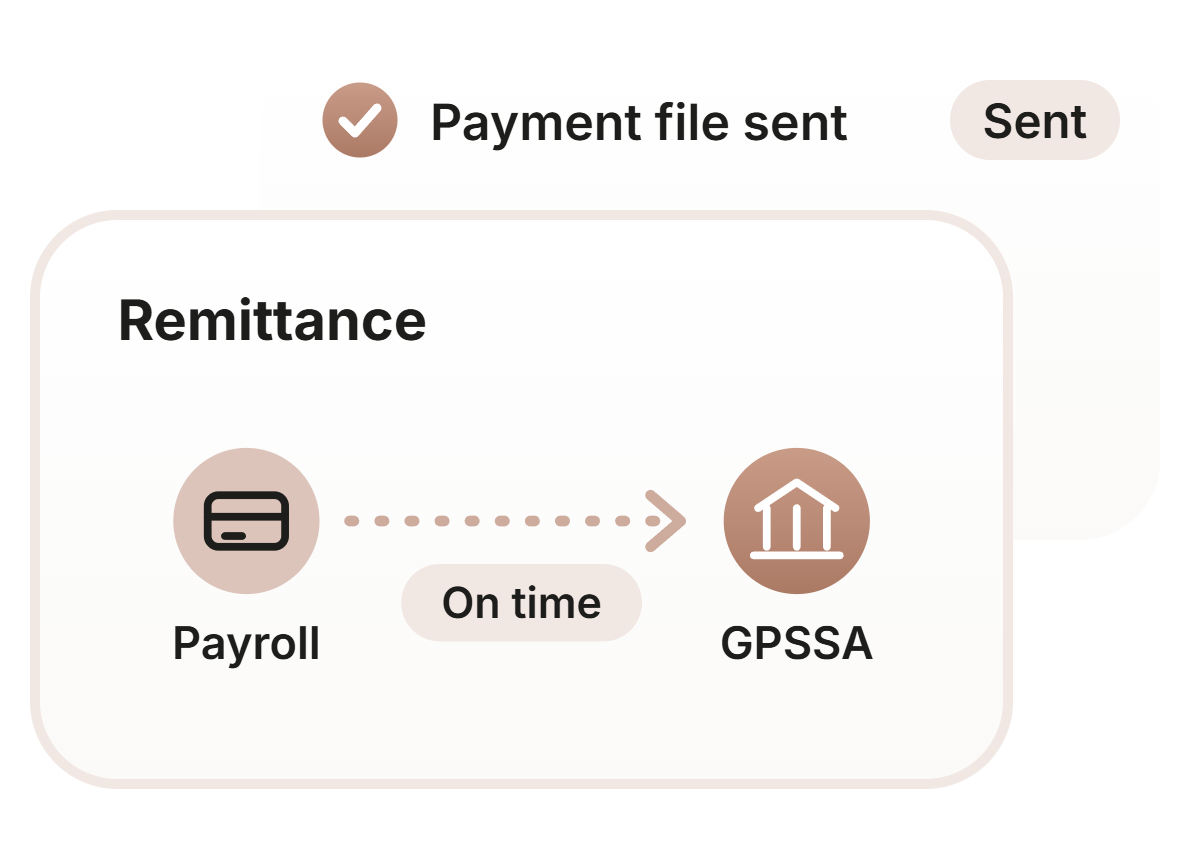
Deduct and remit the applicable contributions on time.
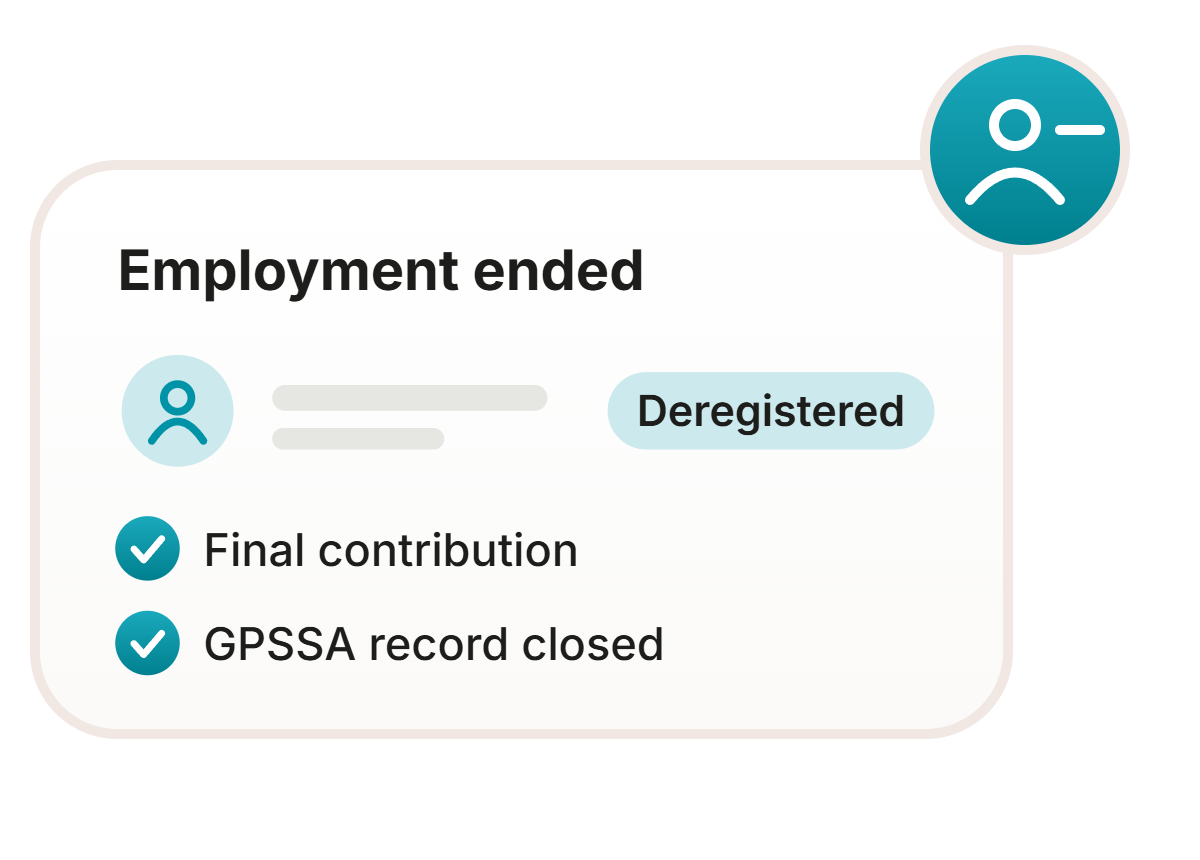
Deregister employees when their employment ends.
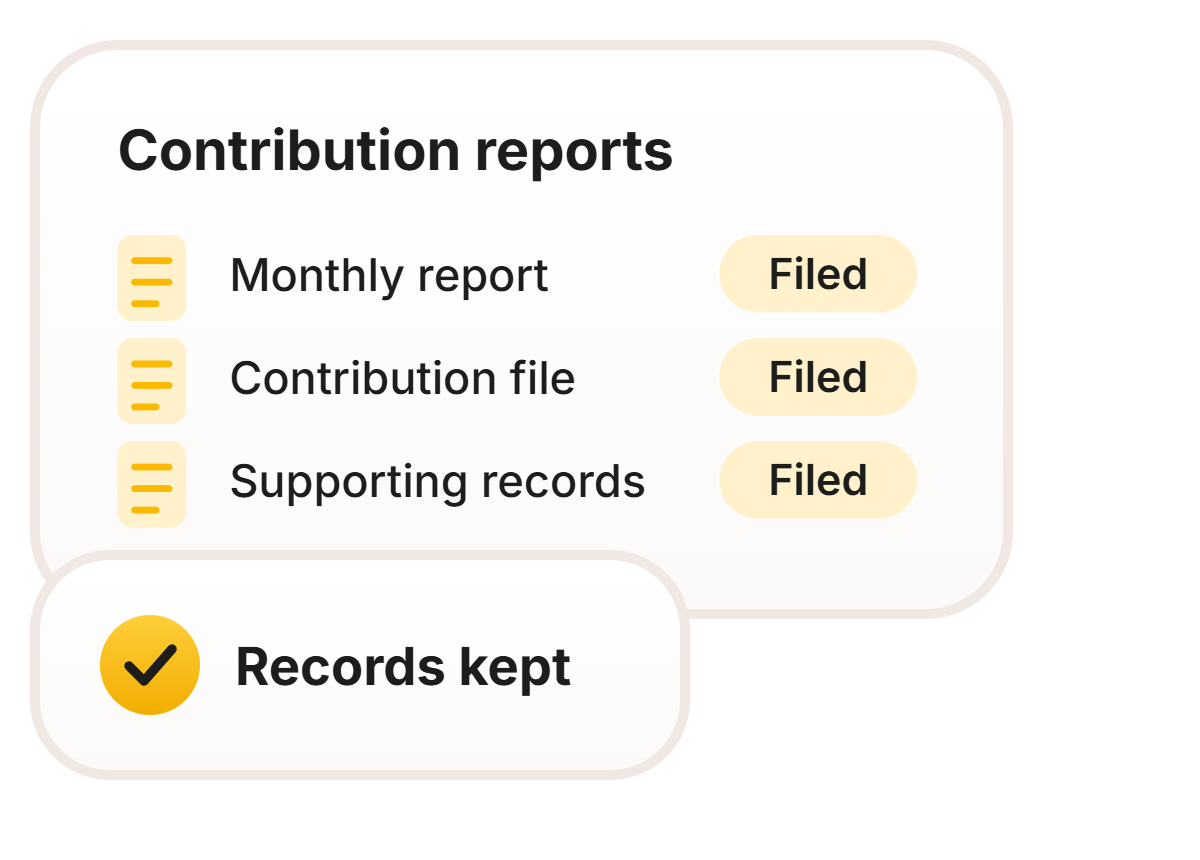
Maintain supporting records and contribution reports.
How HLB HAMT Supports GPSSA Compliance
As part of its payroll outsourcing services, HLB HAMT can support businesses with agreed GPSSA-related payroll administration, including:
Employee registration and deregistration.
GPSSA portal administration and employee updates.
Monthly contribution calculations and processing.
Contribution invoice validation and generation.
Payment coordination, where included in the engagement.
Monthly contribution reporting.
Abu Dhabi Pension Fund (ADPF)
The Abu Dhabi Pension Fund (ADPF) administers pension and retirement benefits for eligible UAE nationals covered by the Abu Dhabi pension framework.
Employers hiring eligible Emirati employees in Abu Dhabi must determine the applicable registration, contribution and reporting requirements under the relevant pension legislation.
The applicable rules can differ depending on the employee's pension coverage and the date and circumstances of registration.
Old Law
20%
Total Contribution
Detail
- Applicable To
- Hired before 1st December 2023
- Maximum Pensionable Salary
- AED 150,000/month
- Employee Share
- 5%
- Employer Share
- 15%
New Law (December 2023)
26%
Total Contribution
Detail
- Applicable To
- Hired from 1st December 2023
- Maximum Pensionable Salary
- AED 100,000/month
- Employee Share
- 11%
- Employer Share
- 15%
Wage Protection System (WPS)
What Is the UAE Wage Protection System?
The UAE Wage Protection System (WPS) is an electronic salary transfer system that enables employers within its scope to pay employees through authorised banks, exchange houses and financial institutions.
WPS supports salary payment monitoring and helps ensure that employees receive their wages in accordance with applicable requirements.
Employers should ensure that salary information, employee records and payment files are accurate before submitting payroll through the relevant channels.
The WPS cycle
From payroll run to employee bank credit
- 01
Employer
Submits salary file
- 02
Agent / Bank
Validates SIF file
- 03
UAE Central Bank
Routes payment

MOHRE/Freezone
Validate
- 04
Employee Bank
Credits salary
How Does the WPS Process Work?
The typical payroll payment process involves:
Payroll Preparation
The employer calculates and validates employee salaries.
Salary File Preparation
The required salary information is prepared in the applicable file format.
File Submission
The employer submits the salary file through the relevant bank or payment agent.
Validation and Processing
The file is validated and processed through the authorised payment channels.
Employee Payment
Salaries are transferred to employees' designated accounts or payment arrangements.
Employers should follow the current WPS requirements applicable to their establishment and jurisdiction.
Why Is WPS Compliance Important?
Supports timely salary payments.
Helps employers meet applicable wage-payment obligations.
Improves payroll transparency and payment tracking.
Reduces errors associated with manual salary transfers.
Supports better payroll record management.

 Velocity GlobalBen Watts
HLB HAMT has exceeded our (very high) expectations, by truly being of service. Their responsiveness, the quality of their work, and their attentiveness to our payroll needs make HLB HAMT one of our most reliable partners, actively supporting our growth in the region
UAE End-of-Service Gratuity Policy
Understanding End-of-Service Gratuity in the UAE
Eligible foreign employees working under the UAE private-sector employment framework are entitled to end-of-service gratuity after completing at least one year of continuous service, subject to the applicable legal conditions.
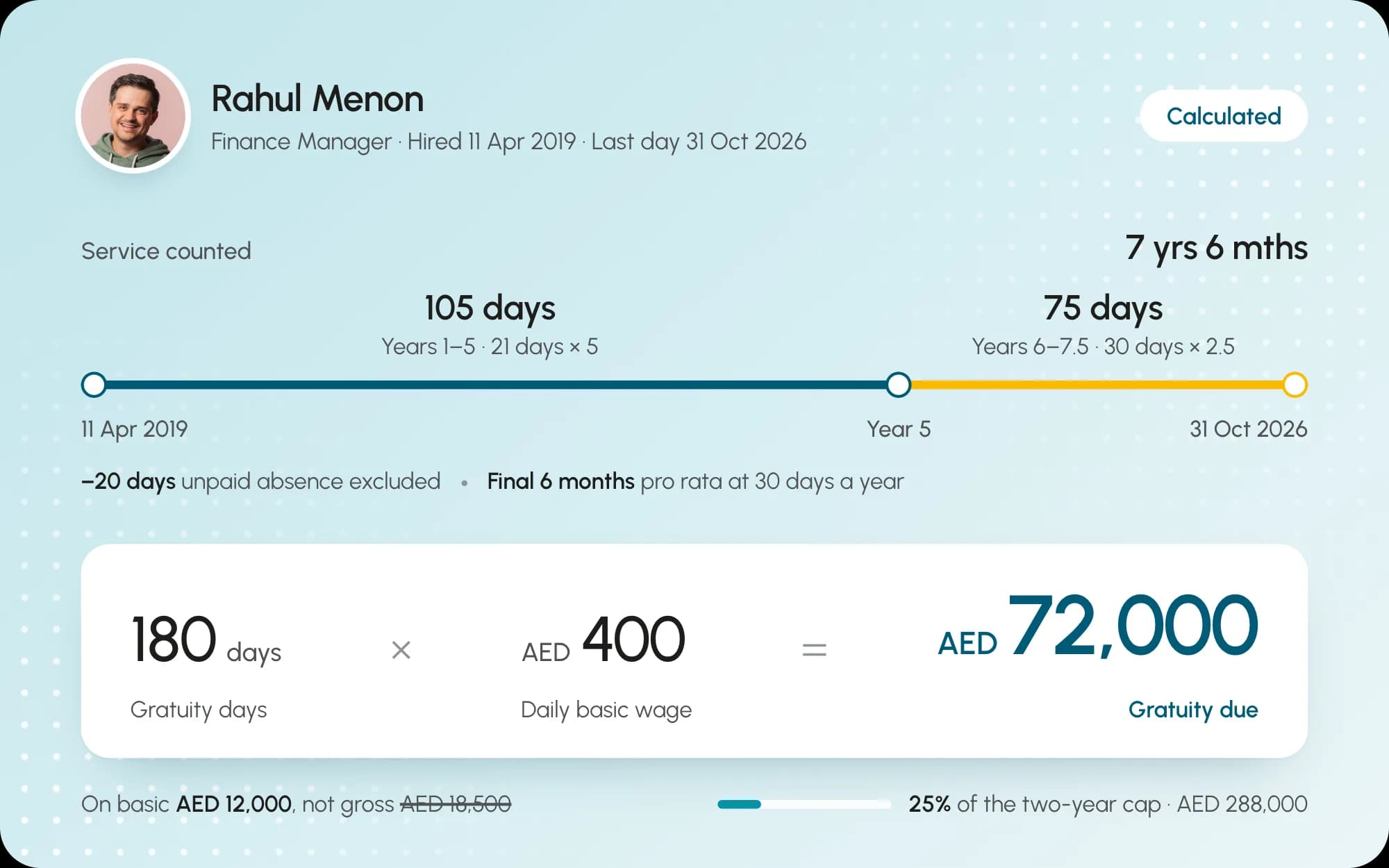
Under Article 51 of Federal Decree-Law No. 33 of 2021, gratuity for eligible full-time employees is calculated using the employee's last basic wage.

How Is UAE End-of-Service Gratuity Calculated?
For eligible full-time foreign employees:
First five years of service
21
days of basic wage for each completed year.
After five years
30
days of basic wage for each additional year.
Maximum gratuity
2 yrs
The total gratuity must not exceed two years' wage.
Employees who complete at least one year of continuous service may also be entitled to proportionate gratuity for part of a year, subject to the applicable law.
Important Gratuity Calculation Considerations
- Gratuity is calculated using the applicable basic wage, not the total gross salary.
- Unpaid absence periods are excluded from the service period calculation.
- The employee must meet the applicable service eligibility requirements.
- Employers must review any applicable alternative end-of-service savings scheme or pension arrangement.
- Outstanding employee entitlements must be settled within the statutory payment period.
Statutory Leave Entitlements
Understanding Employee Leave Entitlements in the UAE
UAE Labour Law provides different statutory leave entitlements for eligible private-sector employees.
Employers must maintain accurate leave records, monitor employee balances and ensure that approved leave is correctly reflected in payroll.
The main statutory leave categories include:
- Annual Leave30 days/year30 days of paid leave per year after completing one year of service. Two days per month for employees who have completed more than six months but less than one year.
- Sick Leave90 days maxUp to 90 days per year after probation, subject to the applicable conditions. First 15 days at full pay. Next 30 days at half pay. Remaining 45 days unpaid.
- Maternity Leave60 days60 days in total. First 45 days at full pay. Following 15 days at half pay.
- Parental Leave5 working daysFive working days of paid leave for either parent. To be taken within six months of the child's birth.
- Study Leave10 days/yearUp to 10 working days per year for eligible employees meeting the applicable service and study requirements.
- Bereavement Leave3–5 daysFive days for the death of a spouse. Three days for the death of a parent, child, sibling, grandparent or grandchild.
- National and Reserve ServicePaid leave for eligible UAE national employees performing national or reserve service.

Overtime
Overtime Under Article 19 of UAE Labour Law

James Carter
Financial Analyst
Employee ID
EMP-0042
184of 176 standard
Hours Worked
41hrs this month
OT Requested
383hrs pending
OT Approved
AED 1140@ AED 30/hr
OT Amount
Employees may be required to work overtime when business requirements make it necessary, subject to the limits and conditions prescribed by UAE Labour Law.
For eligible employees, overtime is generally calculated using the employee's basic wage.
How Is Overtime Calculated in the UAE?
+25%
Ordinary Overtime – Additional 25%
For overtime worked beyond normal working hours, employees are generally entitled to their normal hourly wage calculated using their basic wage, plus an increase of at least 25%.
+50%
Night Overtime – Additional 50%
For overtime worked between 10 PM and 4 AM, employees are generally entitled to their normal hourly wage calculated using their basic wage, plus an increase of at least 50%. This night-overtime provision does not apply to employees working on a shift basis.
+50%
Working on a Weekly Rest Day
When an employee is required to work on the weekly rest day specified in the employment contract or work regulations, the employer must provide an alternative rest day or pay the employee the applicable normal wage plus an increase of at least 50% of the basic wage.
+50%
Working on Public Holidays
When an employee is required to work on an official public holiday, the employer must provide an alternative rest day or the applicable normal wage plus an increase of at least 50% of the basic wage.
Overtime Insights
- Production90Hours
- Operation78Hours
- Admin24Hours
- SalesNo Overtime0Hours
How HLB HAMT Supports Overtime Processing
HLB HAMT can support overtime processing as part of its payroll outsourcing services, based on approved overtime information and the agreed payroll configuration.
The process may include:
Recording approved overtime hours.
Applying the agreed and legally compliant overtime calculation rules.
Including overtime payments in payroll.
Providing overtime reports.
Recording overtime payments as separate payslip entries.
 Levi’sMr. Shanshan Cong
My experience in working with this team is very much a positive one. Their professionalism is refreshing. Thank you for making the Payroll process a very pleasant experience.
Payment Cycle
Salary Cycle, Currency and Payroll Components
Employers must pay employees' wages on the due date specified in the employment contract and in accordance with applicable UAE wage-payment and WPS requirements.
Article 22 of Federal Decree-Law No. 33 of 2021 addresses wage payment arrangements and the agreed payment terms.

Important UAE Payroll Considerations
No General Minimum Wage for Expatriate Employees
UAE Labour Law does not establish a general minimum wage for expatriate private-sector employees. However, the minimum monthly salary for UAE nationals working in the private sector is AED 6,000, effective 1 January 2026, subject to the applicable Emiratisation requirements.
Personal Income Tax
The UAE does not currently impose personal income tax on individuals' employment income. Eligible UAE nationals and GCC nationals may still be subject to applicable pension or social security contributions.
Multi-Currency Payroll
HLB HAMT's payroll services can support agreed multi-currency payroll requirements, subject to the applicable payment arrangements and system capabilities.
Other Payroll-Related Employee Benefits and Obligations
Payroll teams may also need to account for employee benefits and employer obligations that are separate from end-of-service gratuity.
Medical Insurance
Employers must provide the required health insurance coverage for eligible employees in accordance with the applicable emirate and jurisdictional requirements.
Dependent coverage may be subject to separate employer policies or insurance arrangements.
Involuntary Loss of Employment (ILOE) Insurance
The UAE Involuntary Loss of Employment scheme provides eligible employees with financial protection following qualifying job loss.
Eligible employees are responsible for subscribing to and maintaining their ILOE insurance coverage, subject to the applicable rules and exemptions.
Air Tickets
Air tickets are not generally a statutory annual employee benefit under UAE Labour Law.
Employers may offer annual or periodic air tickets as part of their contractual or company benefits policies.
Payroll Accounting and MIS Reporting
Why Is Payroll Accounting Important?
Payroll accounting ensures that salary expenses, employee benefits, statutory contributions and payroll-related liabilities are accurately recorded in the company's financial statements.
A structured payroll accounting process supports financial reporting, budgeting, cost control and internal reconciliation.
Payroll Accounting and Reporting Capabilities
Multi-GL Code Support
Generate payroll costing files using multiple general ledger codes for different departments, projects and cost centres.
Split Cost Allocation
Allocate employee costs across multiple departments, cost centres or business units based on predefined ratios.
Multi-Dimensional Booking
Organise payroll expenses using business unit, department, cost centre and project codes.
ERP Integration
Integrate payroll information with supported accounting and ERP systems, subject to the agreed technical scope.
Standardised Reporting
Support accurate financial reporting, payroll reconciliation and internal accounting processes.
Accrual Accounting
Record payroll-related accruals such as gratuity, annual leave, bonuses and other applicable employee liabilities.




 MICHELIN AIM FZCOMr. Reyjie Cruz
When our company opened its AIM headquarters in UAE, setting up payroll and accounting was a key stake. HLB HAMT learned our processes from scratch and took it over fully — knowledgeable, fast, friendly, and most importantly, cost effective.
HLB HAMT Payroll Outsourcing Services
Why Choose HLB HAMT for Payroll Outsourcing?
Managing payroll internally can involve significant administrative work, system maintenance and ongoing compliance responsibilities.
HLB HAMT supports businesses with payroll processing, reporting and related compliance requirements through agreed outsourcing arrangements.
Payroll Implementation
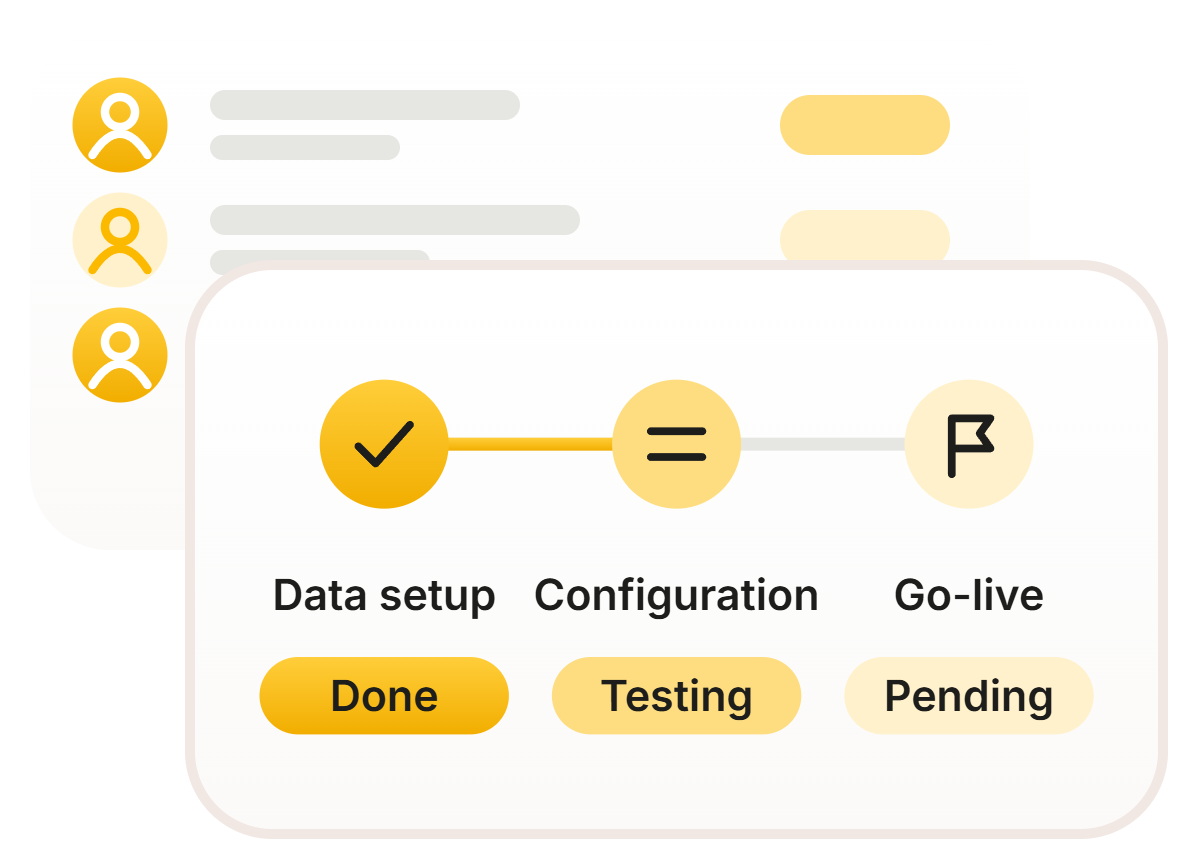
Support payroll onboarding and configuration based on the organisation's requirements and agreed implementation timeline.
Flexible Engagement
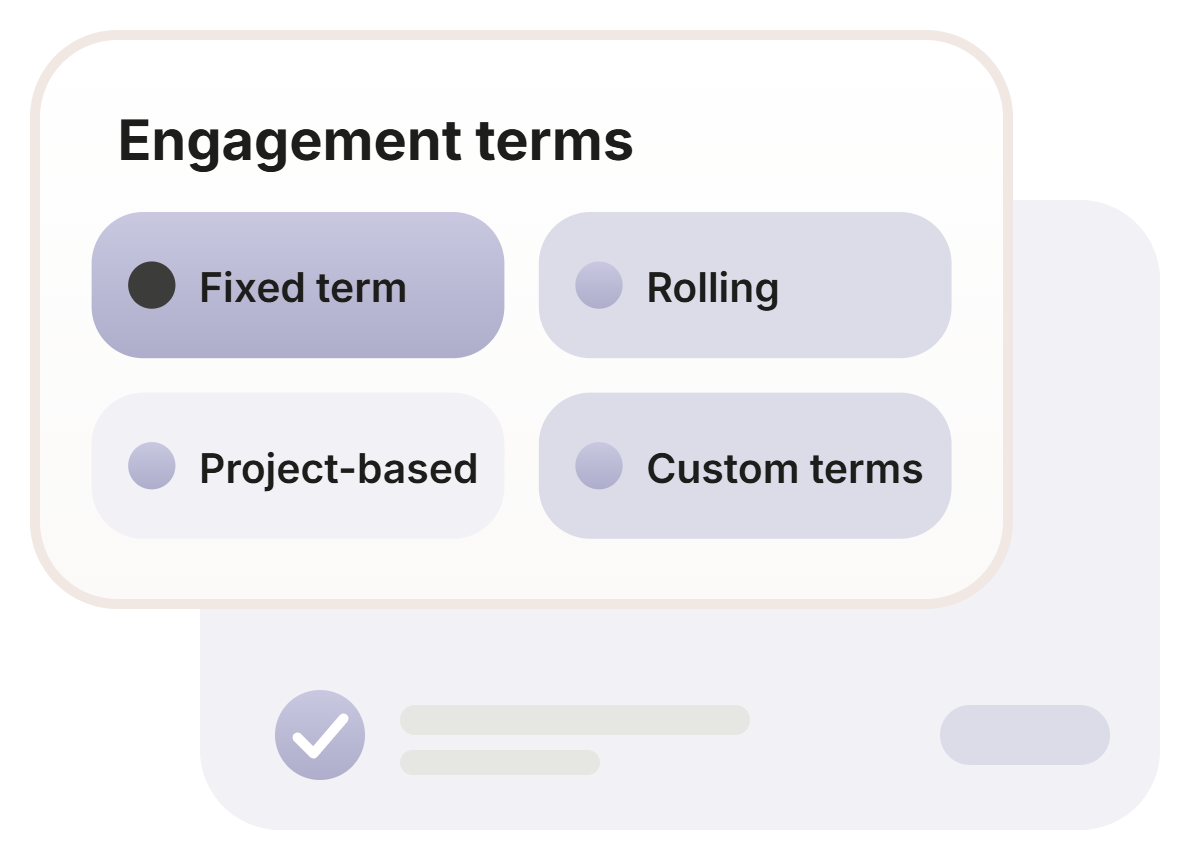
Discuss the service arrangement and contractual terms based on your business requirements.
Scalable Payroll Support
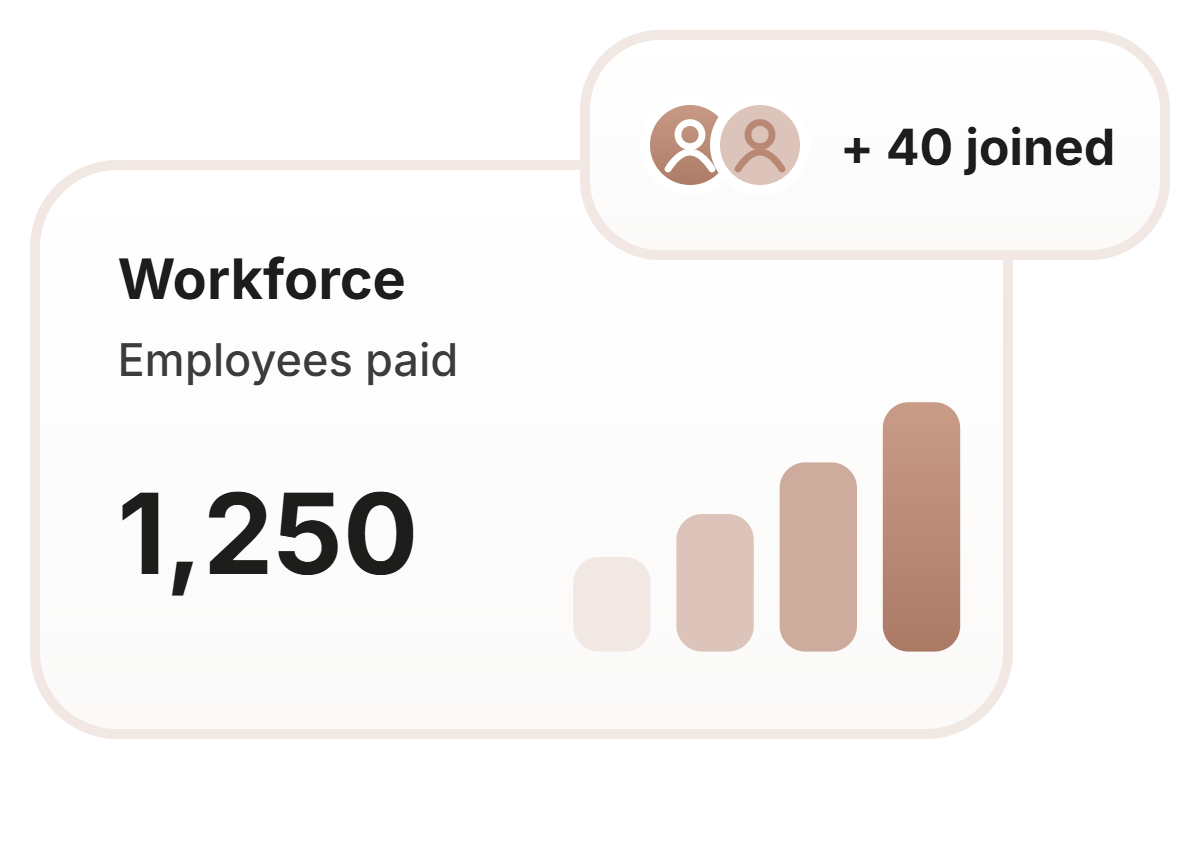
Payroll services designed to support businesses with different workforce sizes, subject to service scope and system capacity.
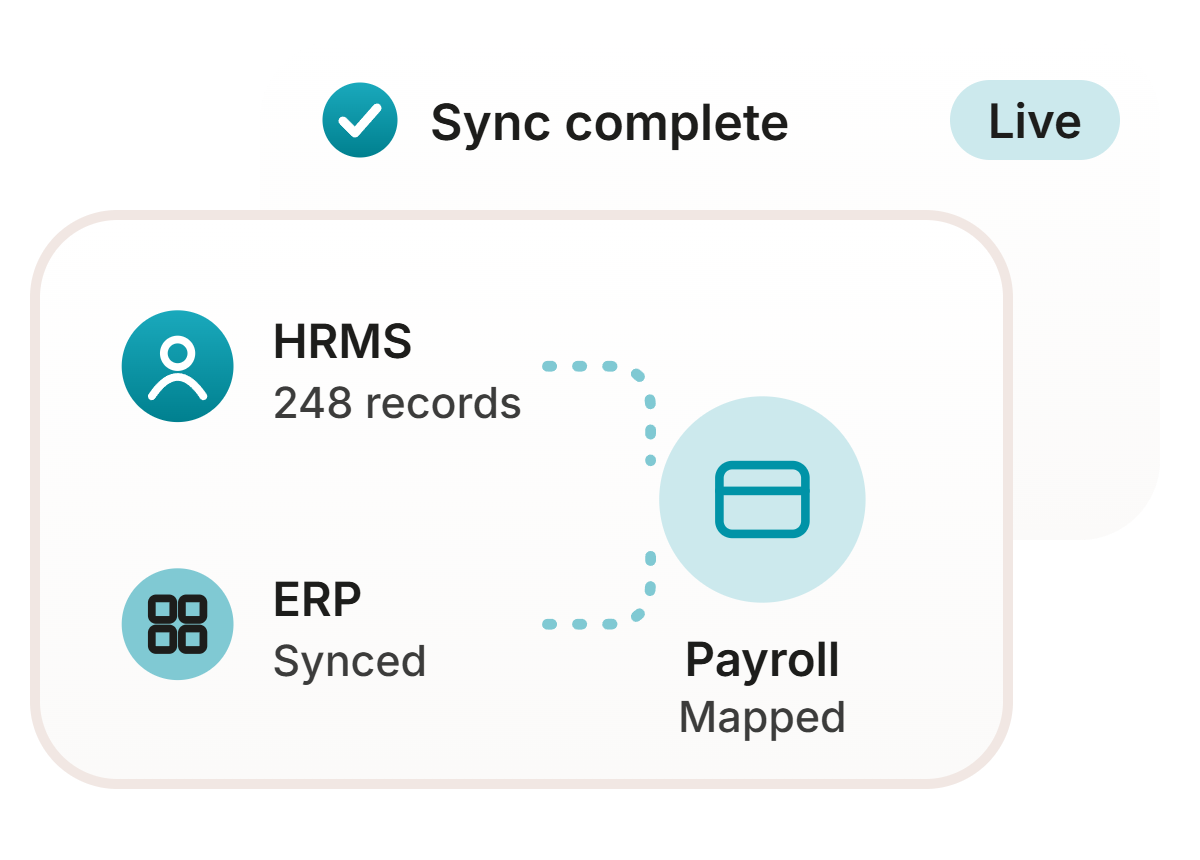
HRMS Integration
Integration with supported HRMS and ERP systems, subject to technical compatibility and agreed implementation scope.
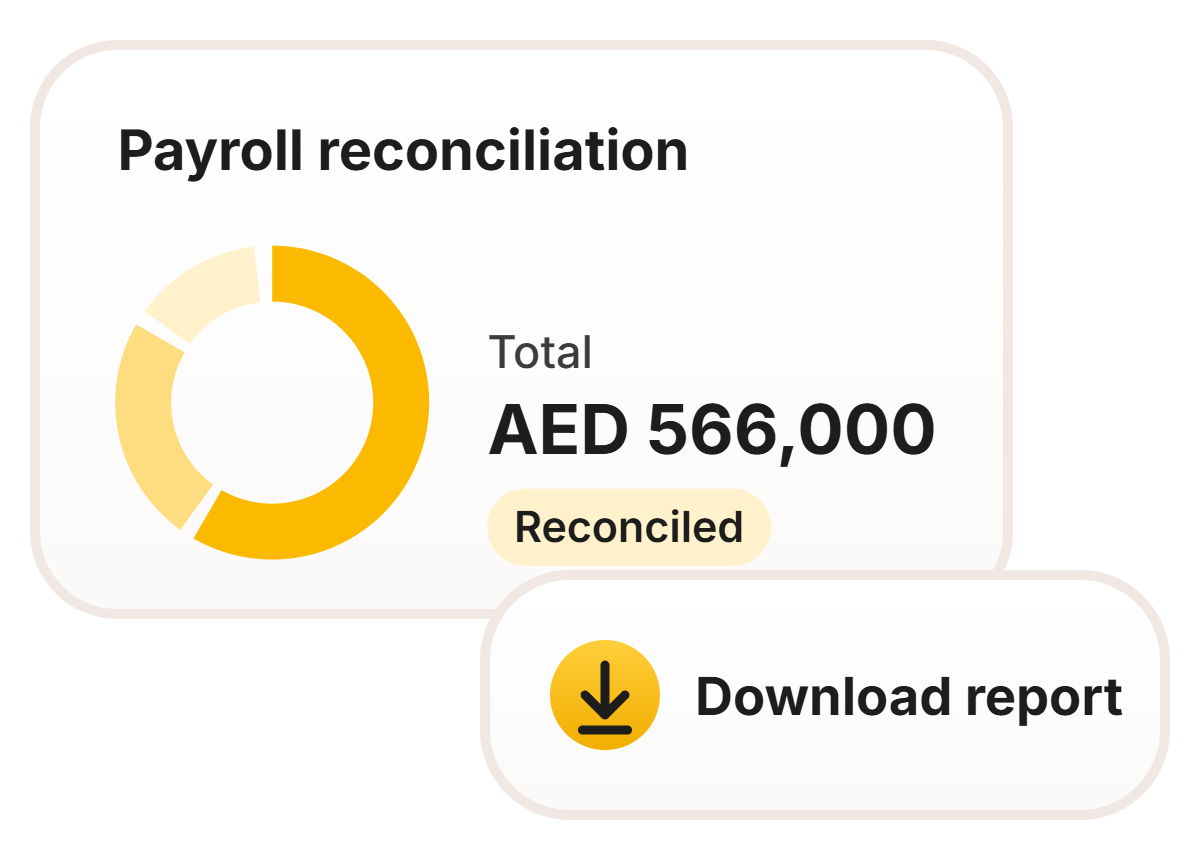
Audit-Ready Reporting
Structured payroll reports, reconciliations and supporting records to help businesses maintain better payroll documentation.
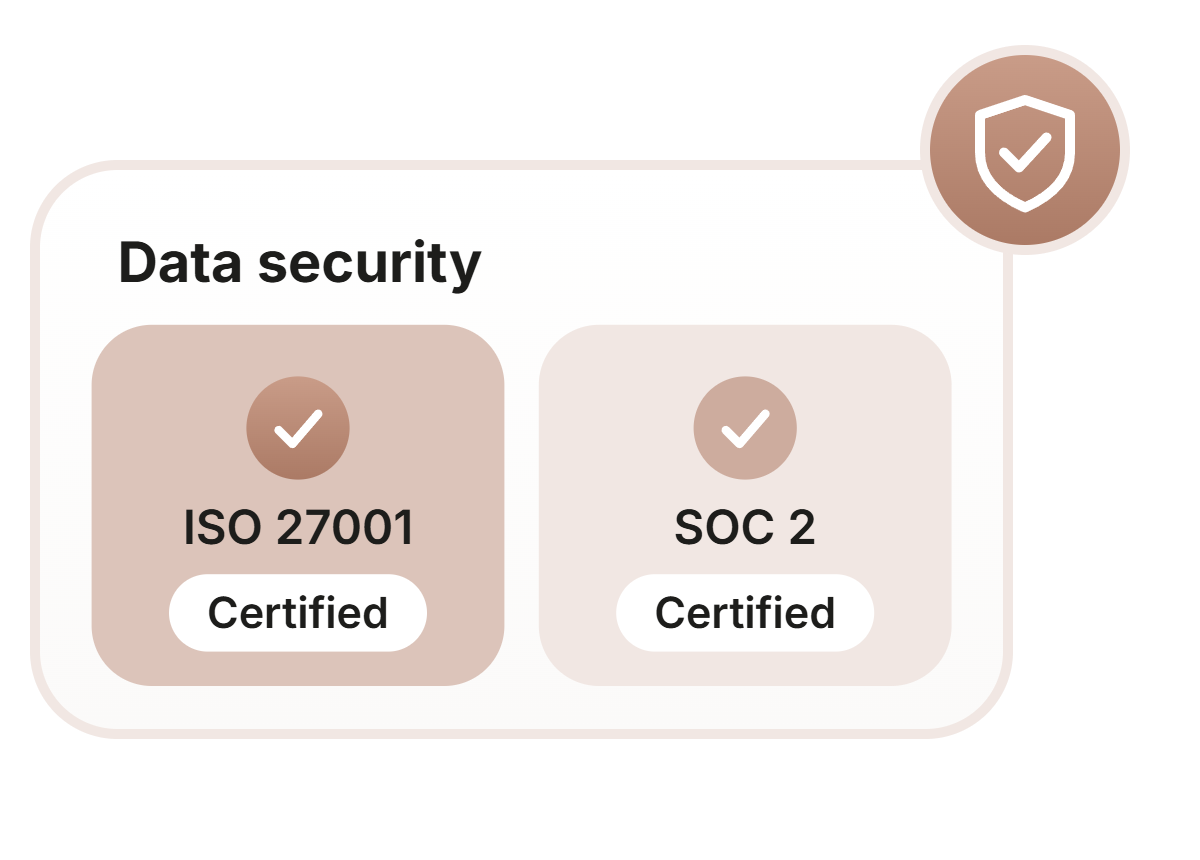
Information Security
ISO 27001 · SOC 2 — Highest standards of data security and quality management certification.
Payroll Processing
Simplify Payroll Management with a Trusted Partner
HLB HAMT provides payroll processing and outsourcing support for businesses operating in the UAE and other agreed markets.
From salary calculations and WPS processing to pension contributions, payroll reporting and accounting support, our team helps organisations manage recurring payroll responsibilities through a structured process.
Schedule a Consultation
Frequently Asked Questions About UAE Payroll Processing and Compliance
- 21 days of basic wage for each year of the first five years.
- 30 days of basic wage for each additional year.
- The total gratuity is subject to a maximum of two years' wage.
- Payroll Register
- Payroll Reconciliation Report
- Headcount Reconciliation Report
- Bank Payment File and Payment Summary
- GPSSA/ADPF Contribution Report
- Gratuity Accrual Report
- Leave Liability Report
- Overtime Report
- General Ledger (GL) Journal Entries
- Year-to-Date (YTD) Payroll Summary
- Cost Centre Allocation Report
- Payroll Submission and Approval Confirmations
In addition, HLB HAMT provides a comprehensive suite of audit and management reports, including Gratuity Yearly Summary, Annual Payroll Summary, Salary Increment Summary, Joiner and Leaver Reports, Payroll Variance Reports, Statutory Compliance Reports, and other customized reports to support audits, management reporting, and financial reconciliation.
- Confirm all employees are paid through WPS.
- Register eligible UAE nationals with GPSSA/ADPF within the required timeline.
- Apply the correct GPSSA contribution rate based on the employee’s applicable law.
- Calculate gratuity for expatriate employees using basic salary and completed service.
- Track annual leave, sick leave, maternity leave, parental leave, study leave and bereavement leave.
- Calculate overtime using the correct rate and approved working hours.
- Maintain payroll records, WPS files, GPSSA/ADPF reports, gratuity accruals and GL entries for audit review.
DIFC employers are governed by the DIFC Employment Law and applicable DIFC regulations.
The two frameworks differ in areas such as annual leave, sick leave, maternity provisions, end-of-service arrangements and other employment requirements. Employers operating in DIFC should ensure that payroll processes reflect the applicable DIFC rules.
| Payroll Requirement | UAE Mainland | DIFC |
|---|---|---|
| Employment framework | UAE Federal Labour Law and applicable federal regulations | DIFC Employment Law and DIFC regulations |
| WPS | WPS applies to employers within its scope | Not Applicable |
| Annual leave | 30 calendar days | 20 working days |
| Sick leave | Up to 90 days: 15 full pay, 30 half pay and 45 unpaid | Up to 60 working days in the applicable 12-month period, subject to DIFC rules |
| Maternity leave | 60 days: 45 full pay and 15 half pay | 65 working days: 33 full pay and 32 half pay |
| Parental leave | 5 working days | DIFC provides its own statutory parental/paternity provisions |
| DEWS | Not applicable | Applicable to eligible employees unless an exemption or approved alternative Qualifying Scheme applies. |
About the Author

CMA Muhammed Naseer
Associate Director – Payroll · HLB HAMT
Cost and Management Accountant (CMA), ICMAI · 16+ years in finance, payroll and HR compliance
Naseer is a qualified Cost and Management Accountant (CMA) from the Institute of Cost and Management Accountants of India (ICMAI) and a seasoned payroll specialist with over 16 years of professional experience in Finance, Payroll Processes, and HR Compliance.
As an Associate Director of Payroll at HLB HAMT, he works closely with a diverse portfolio of multinational and regional clients, developing strong and long-standing relationships through consistent service excellence and a deep understanding of organizational needs. He currently oversees comprehensive payroll operations for companies across the GCC, ensuring accuracy, statutory compliance, and robust process optimization.