

HR Transformation & Technology
Build a smarter, more efficient and future-ready HR function.
As your business evolves, your HR function needs to keep pace. HLB HAMT helps organisations review their HR operating models, improve workforce processes and identify opportunities to use technology more effectively.
We bring together people, processes and technology to help businesses create an HR function that is aligned with organisational goals and prepared for changing workforce needs.



Transforming HR, one priority at a time.
Every organisation has different HR challenges. Explore the areas where a structured transformation approach can help improve your HR function and support business growth.

HR strategy & assessment
Understand where your HR function needs to evolve.
Review your existing HR structure, practices and workforce requirements to identify gaps and opportunities for improvement.

HR operating model
Create an HR operating model that supports your business.
Review how HR responsibilities, reporting relationships and service delivery arrangements support your organisation’s requirements.

HR process improvement
Make everyday HR processes more effective.
Review existing HR workflows to identify inefficiencies, process gaps and opportunities to improve consistency and operational effectiveness.

HR technology advisory
Make informed decisions about HR technology.
Assess your organisation’s HR technology requirements and identify opportunities where digital tools can better support HR operations and workforce management.

Workforce data & reporting
Turn workforce information into better business insights.
Review workforce information and reporting requirements to identify opportunities for improved visibility, monitoring and management decision-making.
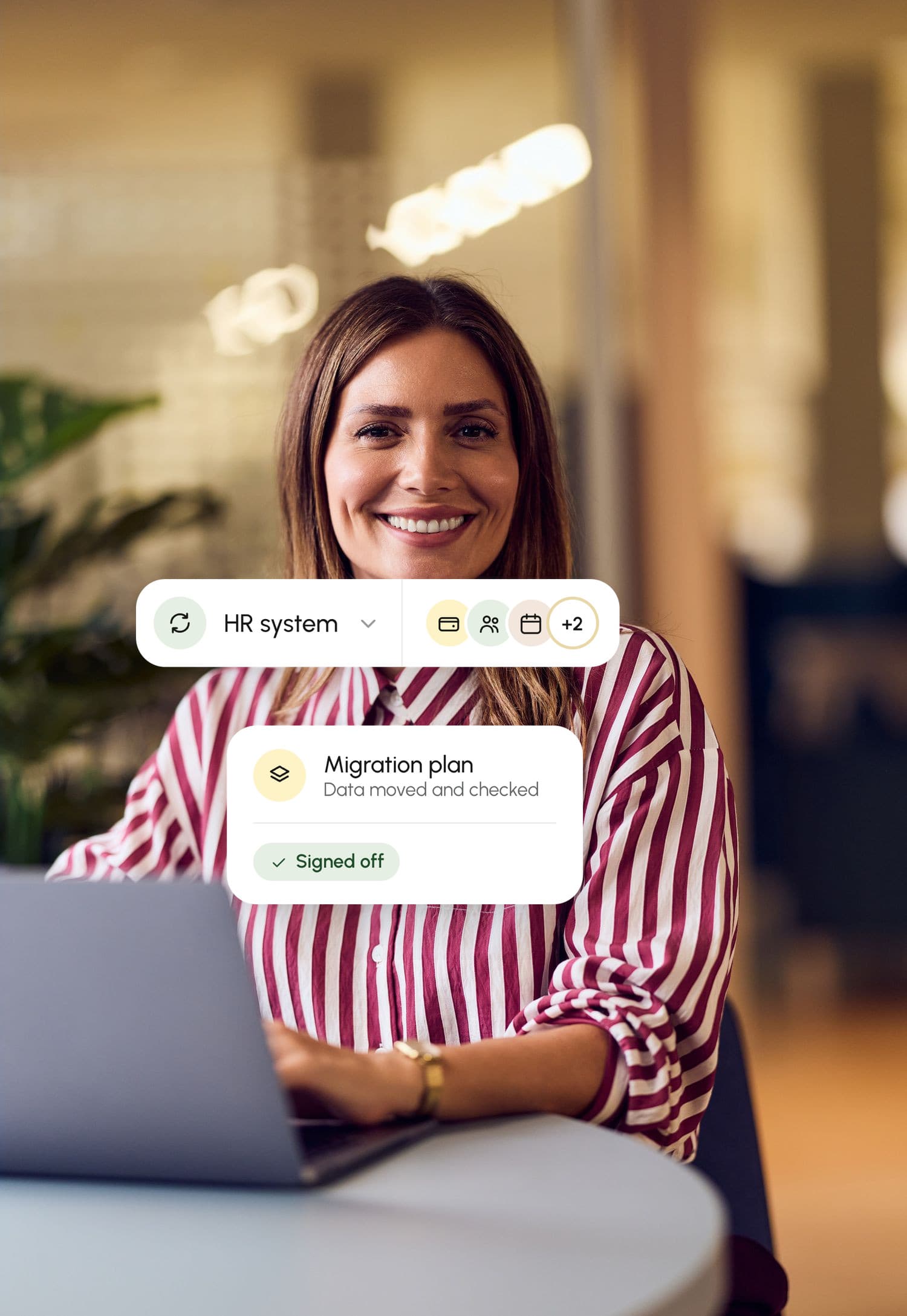
Make your HR function work better for your business.
An effective HR function needs clear responsibilities, consistent processes and the right systems to support everyday operations. HLB HAMT helps organisations identify opportunities to improve how HR works and how it supports the wider business.
- HR structure & responsibilitiesReview HR roles, responsibilities and reporting structures to support better coordination and accountability.
- Streamlined HR processesIdentify process gaps, unnecessary manual activities and opportunities to improve the way HR services are delivered.
- HR technology assessmentEvaluate HR technology requirements and identify where digital tools can better support workforce and operational needs.
- Workforce insights & reportingIdentify opportunities to improve workforce information, reporting requirements and visibility for management decision-making.
Where does HR automation actually add value?
Payroll administration
Recurring payroll processes, payslip generation, payroll inputs and routine checks can be systemised, reducing manual data entry and repetitive calculations.
Leave and attendance
Employees can submit leave requests, managers can approve them, and HR can maintain records and balances without relying on email chains or spreadsheets.
Employee onboarding
Document collection, approval workflows, employee information capture and onboarding checklists can follow a consistent process from the moment an offer is accepted.
Document and expiry tracking
Employee records often contain documents with different validity periods. Automated reminders can help HR monitor passports, visas, Emirates IDs and other employment records.
Employee self-service
Routine requests such as payslips, salary letters, experience letters and leave applications can be handled through employee self-service, reducing avoidable HR administration.
HR reporting
Instead of manually compiling information from different spreadsheets, HR teams can access reports on headcount, payroll, leave, turnover and other workforce information.

The principle is simple: automate the process, not the responsibility.
The best candidates for automation are processes that are repetitive, rule-based, data-heavy or dependent on timely action.
What should HR not automate completely?
Not every HR activity benefits from removing people from the process.

Technology can help organise applications, identify relevant profiles and schedule interviews. The final decision should still consider experience, capability, communication and the requirements of the role.
A system can manage objectives, review cycles and documentation. It cannot replace the conversation between a manager and an employee.
A digital workflow can record and route a grievance, but investigating the circumstances and responding appropriately requires human judgement.
Systems can maintain records and trigger workflows, but decisions involving employee conduct should not be made solely through automated rules.
Employment decisions can have legal, financial and personal consequences. Technology can support the process, but appropriate human review remains essential.
The goal is not to remove people from HR. It is to remove unnecessary administrative work from HR.
What can go wrong with HR automation?
Automating a broken process
If approval responsibilities are unclear, putting the process into software does not solve the underlying problem. It simply moves the same confusion into a digital workflow.
Poor employee data
Automation relies on the information it receives. Incorrect or outdated employee records can lead to incorrect outputs and additional work for HR.
Too many alerts
Automated reminders are useful until employees and HR teams receive so many notifications that important alerts are overlooked.
Over-reliance on AI
AI can identify patterns and support decisions, but it does not understand every employee situation. Treating an AI recommendation as a final decision can create unnecessary risk.
Disconnected systems
If payroll, attendance, recruitment and employee records operate separately, HR may still spend considerable time reconciling information manually.
This is why automation should begin with understanding the HR process flow, reliable data and clear ownership. HR teams also need to identify where manual tasks can genuinely be reduced and where collaboration with IT is needed to design practical solutions.
Which HR processes should UAE businesses prioritise?
Payroll and WPS processes
Can be supported through structured payroll workflows and system-based records.
Leave and attendance
Can be managed through defined requests, approvals and balances.
Employee documentation
Can be organised with central records and expiry notifications.
Onboarding
Can follow a consistent sequence for document collection, approvals and employee setup.
Employee self-service
Can reduce routine requests handled manually by HR teams.
Compliance tracking
Can use reminders and documented workflows to help HR teams monitor important requirements.
The important distinction is that technology supports compliance; it does not replace the employer’s responsibility to comply with applicable UAE requirements.
Where does AI fit into HR?
It can support:
- Candidate screening and classification
- Workforce data analysis
- Employee query handling
- Routine HR communications
- Workforce planning
- Identification of workforce patterns
However, AI should be used carefully where decisions affect employees directly.
For example, an AI system may identify candidates who match defined criteria, but HR should still review the shortlist. Similarly, workforce analytics can highlight patterns in turnover, but managers need to understand the reasons behind those patterns before deciding what action to take.
AI can support judgement. It should not quietly replace it.
How should a business start automating HR?
Map the process
Understand how the process works today and who is responsible for each step.
Identify the repetitive work
Look for tasks that consume HR time without requiring significant judgement.
Check the data
Make sure employee records are accurate before moving them into automated workflows.
Start with one process
Payroll, leave, onboarding or employee requests can provide a practical starting point.
Set a clear measure
Decide what improvement should look like: fewer manual steps, faster approvals, better document tracking or less administrative time.
Keep human review where it matters
Define which stages require HR or management approval before the workflow is completed.
Expand gradually
Once one process is working reliably, automation can be extended to other areas of the employee lifecycle.
As part of this process, HR teams should also understand the UAE Labour Law requirements relevant to the function being automated. HR can define the process and business requirements, while partnering with the IT team helps translate them into suitable systems, workflows and HR dashboards.
Ready to improve your HR processes?
From understanding HR process flows and reducing manual work to designing HR dashboards and automation solutions, HLB HAMT helps businesses build practical HR processes with UAE Labour Law in mind and works alongside your IT team to implement them.
The future of HR automation is not “automate everything”
The most effective HR automation strategy is not the one with the most features or the most AI.
It is the one that removes repetitive administration while keeping accountability, judgement and human interaction where they matter.
For UAE businesses, that means looking beyond automation as a technology purchase. The real question is how technology can make HR processes more consistent, easier to manage and less dependent on manual follow-up, without losing the human element that good HR requires.
Automate the repetitive.
Review the important.
Keep people at the centre of the decisions that matter.

Why choose HLB HAMT for HR Transformation?
HR transformation requires a clear understanding of business priorities, workforce requirements and existing HR operations. HLB HAMT brings an advisory-led approach to help organisations identify improvement opportunities and make informed decisions about their HR function.
Business-aligned approach
HR recommendations shaped around your organisational goals and workforce requirements.
Practical recommendations
Identify realistic improvements to HR structures, processes and responsibilities.
People & process focus
Consider the impact of transformation on employees, HR teams and business operations.
Technology awareness
Understand where HR technology can support more efficient processes and better workforce management.
Meet the experts
The people who bring HR knowledge, advisory experience and business understanding to your organisation.


Ready to transform your HR function?
Start with a clear understanding of your current HR operations and the improvements your business needs.
What happens next
- Share your requirementsTell us about your organisation, existing HR processes and challenges.
- Discuss your prioritiesOur team understands your requirements and identifies the areas to explore.
- Plan the next stepsDiscuss suitable recommendations and the next steps for your HR transformation journey.
FAQ
Frequently asked questions
Find answers to common questions about HR transformation, technology advisory and improving HR operations.
Contact HLB HAMT
Let’s transform your HR function.
Whether you are reviewing your HR operating model, improving existing processes or exploring HR technology opportunities, our team can help you understand the next steps.
Talk to our HR team
Share your HR transformation requirements with our team. We will help you identify the right area to discuss.


Monday-Friday · 7:30 AM-5:30 PM GST

Explore More HLB Business Services
Looking for support beyond HR transformation? Explore other HLB HAMT services that may match your business requirements.
 Want employees to self-serve payslips and leave?Payslips, leave, claims and letters online, with approvals by email.Employee Self Service
 Still doing payroll steps by hand?Bots, rules and integrations that take the repetitive work out of payroll.Payroll Automation
- Looking to strengthen your HR function?Improve HR frameworks, workforce planning and people-management practices.HR Management Consultancy
- Need support with employment requirements?Get guidance on UAE employment regulations, contracts and employer responsibilities.HR Advisory
HR Transformation insights
Explore ideas and practical guidance on improving HR operations, workforce management and the role of technology in modern HR functions.
 4 minsPayroll, HR & EmploymentGOSI KSA Guide (2026): Contribution Rates, Monthly Process & Payroll ComplianceExplore the insight
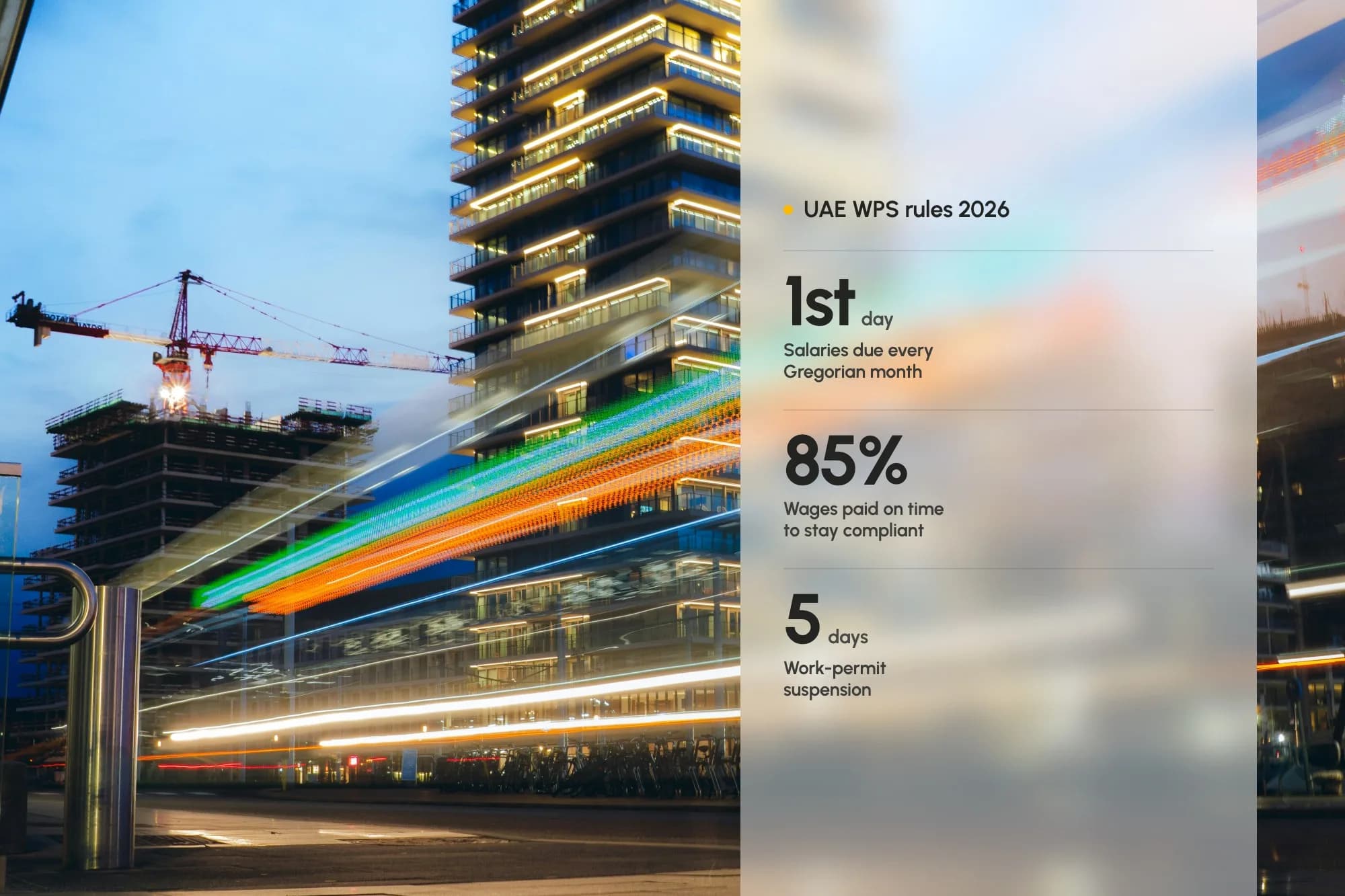 4 minsPayroll, HR & EmploymentUAE Wage Protection System (WPS): The 2026 Compliance Guide for EmployersExplore the insight
 4 minsPayroll, HR & EmploymentUAE Payroll Processing and Compliance Guide (2026)Explore the insight
HLB HAMT Insights
Stay Ahead with Our Insights
Get the latest perspectives on HR transformation, workforce advisory, business consulting and organisational improvement delivered straight to your inbox.